
Common Internet Slang Terms Explained for Everyday Users

Online communication has been revolutionized by the internet slang that has made communication via chats quicker and more expressive. As a regular user, the familiarity of these terms eliminates the generational gap and avoids the misinterpretation of texts, social networks, and emails.
Classic Abbreviations Still Thriving
LOL (Laughing Out Loud) is an expression that indicates that someone is amused by jokes or a meme, which has been in use since the 1990s. BRB (Be Right Back) and AFK (Away From Keyboard) are used to represent brief pauses in gaming or calls. FYI (For Your Information) presents brief pieces of information and TTYL (Talk To You Later) ends conversations in a polite manner. SMH (Shaking My Head) is a sign of unbelief or frustration such as at dumb news. TBH (To Be Honest) and IDFK (I Don’t Know) make responses more sincere and uncertain. These shortcut words save keystroke and will be universal in 2026.
Gen Z Essentials for Social Media

Rizz defines charisma or flirting skill- That barista has crazy rizz. Ate glorifies a person who overcame something: She ate that dance step. Sus: This is a suspicious reason: Your reason is sus. Slay applauds perfect performance: You killed the presentation! Drip calls out fashionable garments or super cool, whereas Glow Up showcases the drastic changes, such as after-gym snapshots. Beef is an indication of continued drama or quarrels among individuals. Cap/No Cap refers to lies or truth: No cap that is facts.
Meme-Driven Nonsense Words
The product of the viral toilet-headed videos, Skibidi is used as a filler of the absurdity of the cool or random feelings. Sigma is a depiction of alpha-like confidence, which is independent of the social ranks. Brain Rot makes fun of the mind haze of doom-scrolling: Three hours of Tik Tok = instant brain rot. Delulu ridicules delusional thought particularly in crushes or plots. Ohio labels strange or unruly happenings, which are a result of memes.
Reaction and Vibe Slang
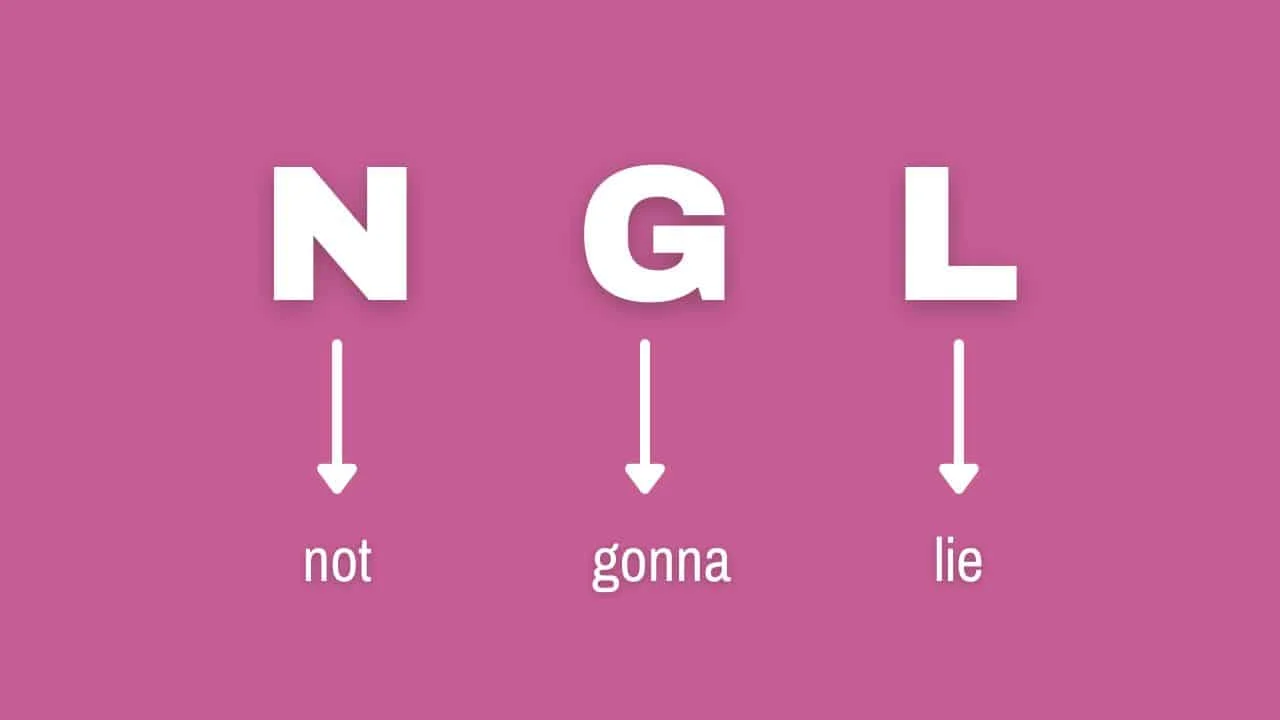
The Ick is romantic disgust with trivial characteristics. Aura is a measure of the vibe or the coolness of a person. Wild, inappropriate actions are referred to as out of Pocket. NGL (Not Gonna Lie) brings out direct views. TFW (That Feel When) is used in conjunction with pictures of relatable feelings. Bet confirms agreement: Wanna have something to eat? Bet.”
Parent Code and Stealth Terms
To attract attention to eavesdroppers, teens use PAW (Parents Are Watching) or POMS (Parent Over My Shoulder). Squad is your main circle of friends; Stan is an obsessive fan. Netflix and Chill does not mean chilling, it means casual hookups. Periodt lays stress on finality with added sass.
Usage Tips for Everyday Users
Context rules- Rizz does not like job emails, he likes DMs. Emojis improve: LOL 🔥 Slay. Use sparingly to avoid the term cringe. Keep up with the trends in Tik Tok or Urban Dictionary. The use of slang among the generations creates a rapport, yet clarity will not lead to confusion in the workplace.